Swallowing Problems After Stroke
Swallowing problems after stroke need a clear discharge plan. Learn warning signs, safe follow-up questions and when to seek urgent help.
Fever After Hospital Discharge
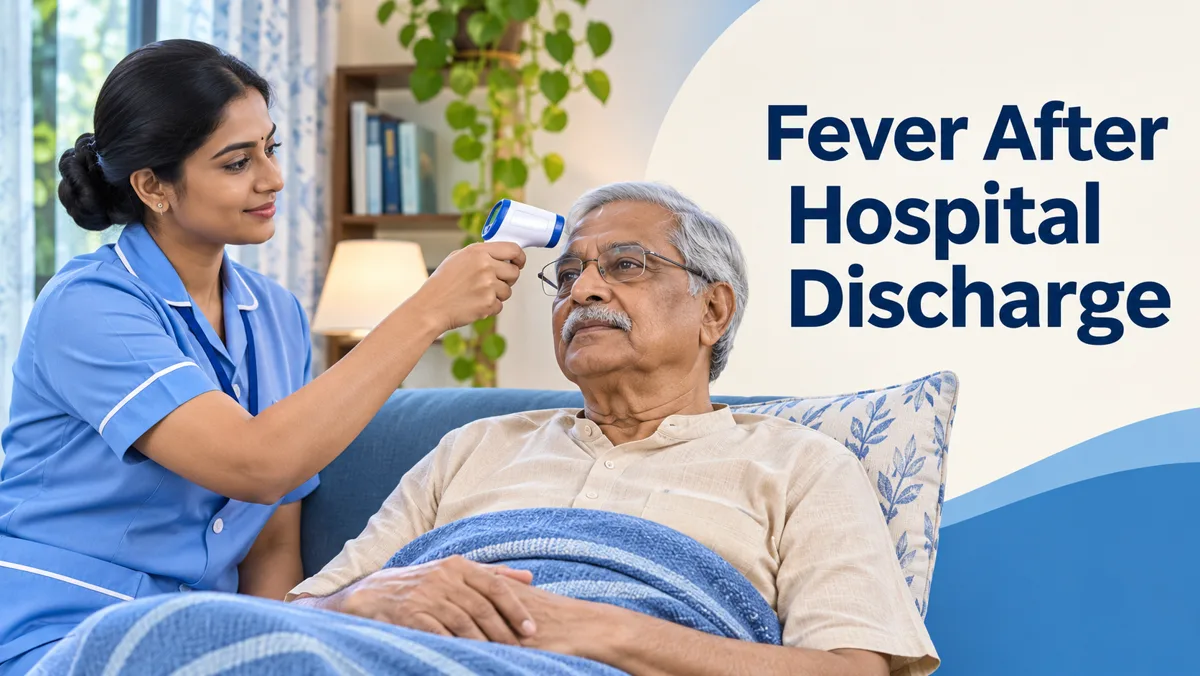
Developing a fever soon after leaving hospital can be worrying. Some people are recovering from an infection and have been told what temperature changes to expect; others have had an operation or a procedure and were pre
Developing a fever soon after leaving hospital can be worrying. Some people are recovering from an infection and have been told what temperature changes to expect; others have had an operation or a procedure and were previously well. The safest response depends on the reason for admission, the discharge instructions and the person's current symptoms. A new fever is a signal to review the whole situation, not a problem to manage from the thermometer alone.
The discharge summary may say which symptoms require a call, whom to contact and when to attend a follow-up appointment. It may contain different advice for someone with pneumonia, an operation, a urinary infection or a weakened immune system. Read the instructions before deciding that a temperature is harmless. If the paper is missing or unclear, call the hospital team or the treating clinician. Keep the summary, medicine list and contact number in one place for caregivers.
Record the measured temperature, the time and how it was taken. Check again if the reading seems inconsistent with how the person feels. A digital thermometer is preferable to guessing from skin warmth. Do not let repeated measurements delay help when the person looks unwell. Fever can occur with infection, but it can also be influenced by other conditions or medicines. Some serious infections may occur without a high measured temperature, particularly in older or immunocompromised people.
Seek urgent medical help if the person has trouble breathing, chest pain, new confusion, severe weakness, fainting, blue or mottled skin, a very fast deterioration, or is difficult to wake. These symptoms can indicate a serious problem regardless of the temperature. Persistent vomiting, inability to keep fluids down, reduced urine and signs of dehydration also need prompt advice. If the patient had surgery, a painful red wound with spreading changes, discharge or a new severe pain should be reported.
The exact fever threshold that should trigger a call can differ by the person's condition and discharge instructions. People receiving chemotherapy, taking immune-suppressing medicines or recovering from some procedures may need a very low threshold for urgent review. Do not wait until a temperature reaches a generic number if the person is getting worse. When calling, state the recent admission, diagnosis, procedure, discharge date and current symptoms at the start.
A fever may relate to the original illness that has not fully settled, a new infection, a wound or line infection, a urinary problem, a chest infection or another complication. It can also have a cause unrelated to the admission. The pattern of symptoms and examination matter. A cough, breathlessness and chest discomfort suggest different questions from burning urine or increasing wound pain. There may be no obvious source at home, which is why persistent or new fever deserves professional review.
Do not assume that every fever after surgery is a wound infection, and do not assume that a clean-looking dressing rules infection out. The Medikold guide to signs of infection in a surgery dressing explains what caregivers can observe, but examination may be needed. If the person has a catheter, feeding tube, drain or IV line, mention it during the call. Never remove a device or start leftover antibiotics without a clinician's direction.
Prepare the discharge summary and a list of medicines, including antibiotics and the last dose taken. Report the highest measured temperature, how long it has been present, whether chills or rigors occurred, and any pain, cough, urinary symptoms, wound changes or confusion. Explain whether the person is eating, drinking and passing urine normally. Mention allergies, chronic illnesses and recent contact with anyone ill. A caregiver's observation that the patient is “not themselves” can be clinically important, especially in older adults.
The clinician may advise a same-day review, a test or hospital assessment. Do not arrange broad tests independently and then wait for results while the patient worsens. A blood test may be useful in context, but it cannot substitute for examination when there are urgent symptoms. If a review is advised, take the discharge papers and medicine packets. Clear information helps the team decide whether the fever reflects recovery, infection or another complication.
Keep the person comfortable, offer fluids if they can safely drink, and follow any fluid restrictions given at discharge. Light clothing and a comfortable room temperature may help. Fever medicine should be used only as directed, taking account of liver or kidney disease, allergies, age and other medicines. Do not give a new medicine merely to make the number look normal before calling. The clinician needs to know the actual temperature and what has been taken.
Check whether the patient can walk safely to the bathroom and whether a caregiver should remain nearby. Illness and weakness can increase fall risk. Our guide to preventing falls after hospital discharge covers simple home adjustments. If the person needs medical equipment at home, the hospital discharge equipment guide can help plan a safe setup, but equipment should follow the discharge team's recommendations.
A single fever that improves may still deserve a call if the discharge instructions say so. Fever medicine can lower the reading without resolving the cause. Watch for return of fever, new symptoms or worsening function. Keep follow-up appointments and complete prescribed medicines as directed unless the clinician changes the plan. If an antibiotic causes a rash, severe diarrhea or other concerning effect, contact the prescriber for advice rather than quietly stopping or substituting it.
Home nursing can help with monitoring, wound care and caregiver education when ordered, but a nurse visit is not a substitute for urgent hospital evaluation when red flags appear. Medikold's role is to support care at home around the treating team's plan. For home-care questions in Jodhpur, use Medikold's contact page. If the person is acutely ill, contact emergency services or the hospital immediately.
Sometimes a clinician may expect a temperature pattern during recovery, but the answer depends on the illness and discharge instructions. Report a new or persistent fever when advised, especially if other symptoms appear.
No. The cause may be different, and the wrong antibiotic can delay proper treatment or cause harm. Contact the treating team for a specific plan.
Improvement in the reading does not prove the cause is resolved. Continue to follow the discharge advice and watch for symptoms such as confusion, breathlessness, poor fluid intake or worsening pain.
New confusion, marked weakness, breathlessness, inability to drink, reduced urine or rapid decline warrants prompt assessment even without a high temperature. Older adults may show infection in less typical ways.
A nurse can assess and report observations within the care plan, but new fever may require clinician review. Severe symptoms need urgent medical care rather than a routine home visit.
Sources: NHS guidance on fever in adults and NHS advice after discharge for pneumonia.
This article is general information. Follow the discharge team's instructions for the individual patient.
Swallowing problems after stroke need a clear discharge plan. Learn warning signs, safe follow-up questions and when to seek urgent help.
Help an older adult return home safely after hospital discharge with a practical plan for mobility, medicines, equipment and fall prevention.
When is a home suction machine needed? Learn about oral versus airway suction, caregiver training, supplies and emergency planning.
Stay updated with our latest medical news, insights, and exclusive health tips delivered straight to your inbox.